Latest questions answered by experts
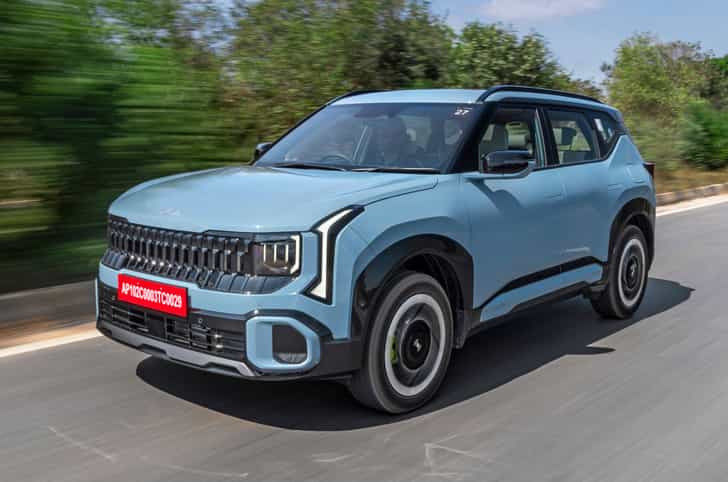
Should I consider the Seltos GTX A hybrid instead of the GTX A DCT, given my monthly running of 500km and concerns about mileage? The GTX A DCT costs around Rs. 23.50 lakh.
With a monthly running of just 500km, the Seltos Hybrid is unlikely to make financial sense. The hybrid system will certainly improve fuel efficiency, but the savings at your usage level will be marginal and will take a very long time to offset the higher purchase price. The GTX+ DCT you were already considering remains the better choice for your needs. It offers strong performance, a premium feature set and a genuinely enjoyable driving experience without the added complexity and cost of a hybrid system.As for pricing, while there is no official figure yet, you can reasonably expect the Seltos Hybrid to carry a premium of at least Rs 1.5-2 lakh over the equivalent petrol DCT variant. That premium is difficult to justify at your running.The only reason to wait for the hybrid would be if you are particularly keen on the technology or want the absolute best possible fuel efficiency from your Seltos. Otherwise, the GTX+ DCT is the right car for your usage.

Tesla just showed a car flying in the air! This car performs mid-air flips and even jumps over other cars. Is this the future of cars?
No, this is not the future of cars. What you saw was a marketing stunt, not a production feature. Tesla's demonstration was designed to grab attention, draw investment and showcase the car's performance potential in a dramatic way, but it does not reflect real-world driving or what owners can expect from their vehicles.Modern cars are engineered with a strong focus on safety, reliability and everyday usability. The idea of cars performing mid-air flips or jumping over other vehicles is completely at odds with how cars are designed and regulated. In fact, such behaviour would be extremely dangerous on public roads and would never be permitted under any safety standards.Tesla's cars are impressive in their own right, with strong acceleration and advanced technology, but the flying car demonstration is purely theatrical. The future of cars is far more likely to be shaped by advancements in safety, efficiency, electrification and driver assistance systems, rather than by Hollywood-style stunts.
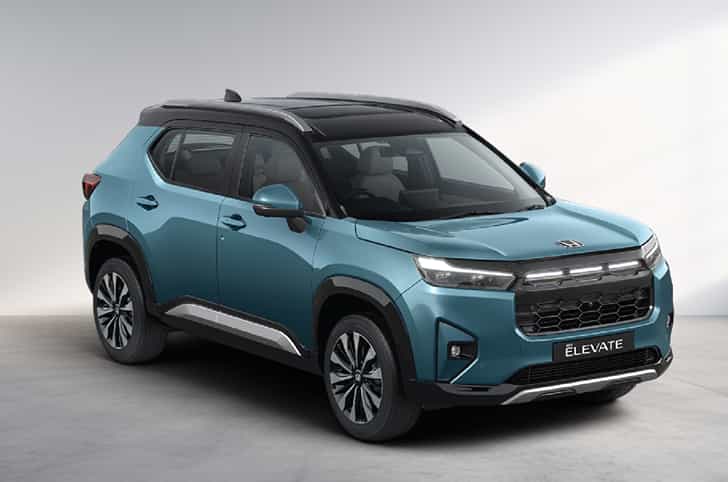
Hi, I wanted to upgrade from Honda Jazz. I am looking for an automatic car that I could hold on for at least 10 years. My budget is Rs. 12 to 18 lakh. My monthly commute is 1200 km. Should I go for a petrol or an EV. I am considering an EV over 10 years that could be financially beneficial? But on the contrary, I'm concerned about the reliability of EV since there is no mass market which has held EV for 10 years as of now. (except for Reva or Logan EV).
Go for the Honda Elevate CVT, ideally the VX. Coming from a Jazz, it’s the natural upgrade. You get the same easygoing Honda petrol and smooth CVT you’re used to, in a roomier, more comfortable SUV. For someone planning to keep a car for 10 years, Honda’s simple, proven mechanicals are about as worry-free as it gets.If you aren’t feeling fully sure about an EV, don’t push yourself into one. At your running an EV would save you money, but if you’ll spend the next 10 years worrying about the battery, those savings aren’t worth it. A petrol automatic lets you buy with confidence and not think twice.The Elevate’s weak spot is fuel economy. At 1,200km a month you’ll feel it at the pump. If running costs matter as much as comfort, stretch slightly for the Toyota Hyryder strong hybrid. It’s far more efficient, especially in town, and it’s just as proven over the long term.
Upcoming launch buzz
Community discussions on upcoming launches
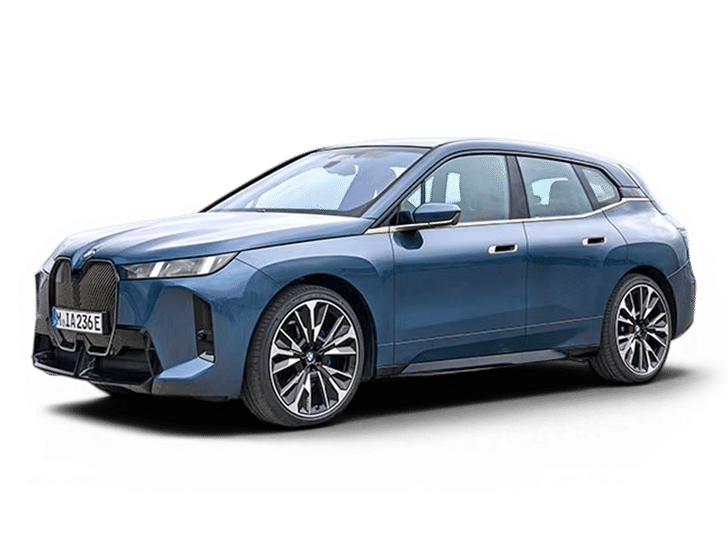
BMW
iX facelift
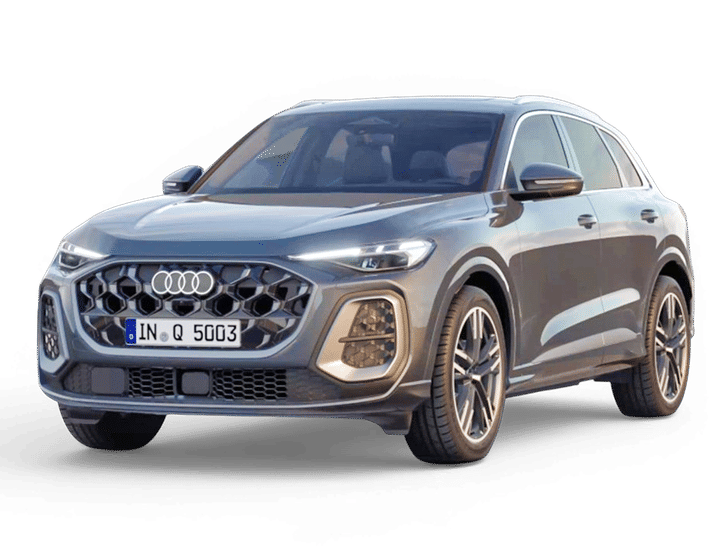
Audi
New Q5
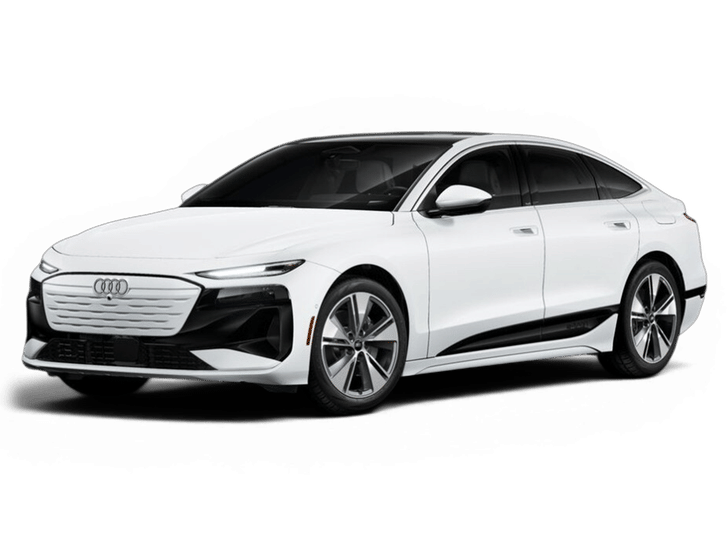
Audi
A6 e-tron
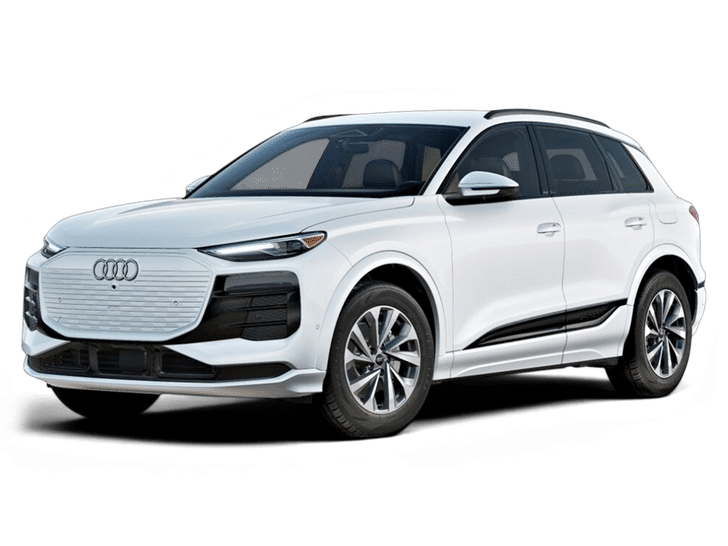
Audi
Q6 e-tron
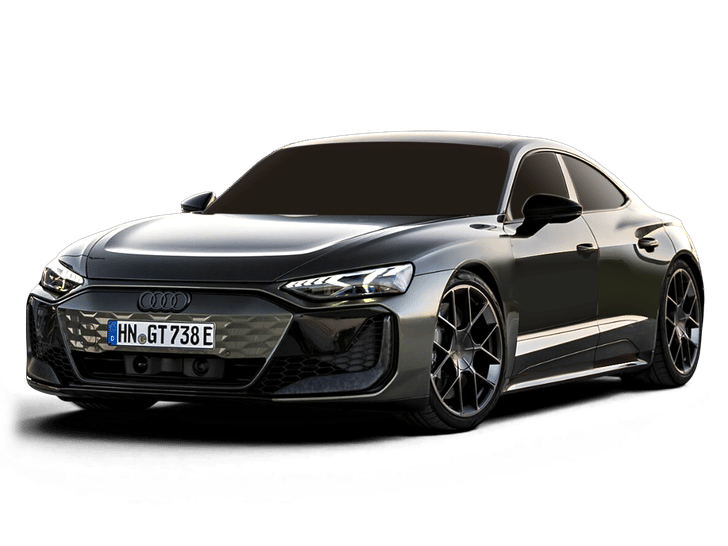
Audi
e-tron GT facelift
Volkswagen
Virtus facelift
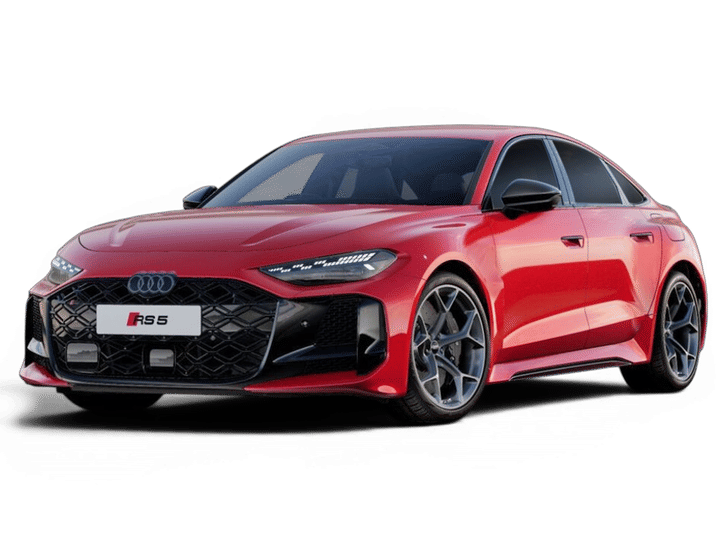
Audi
A5

Vinfast
VF5
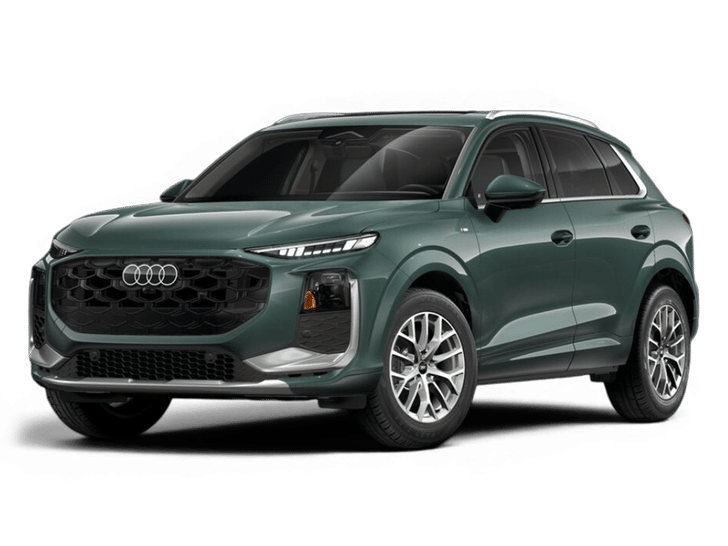
Audi
New Q3
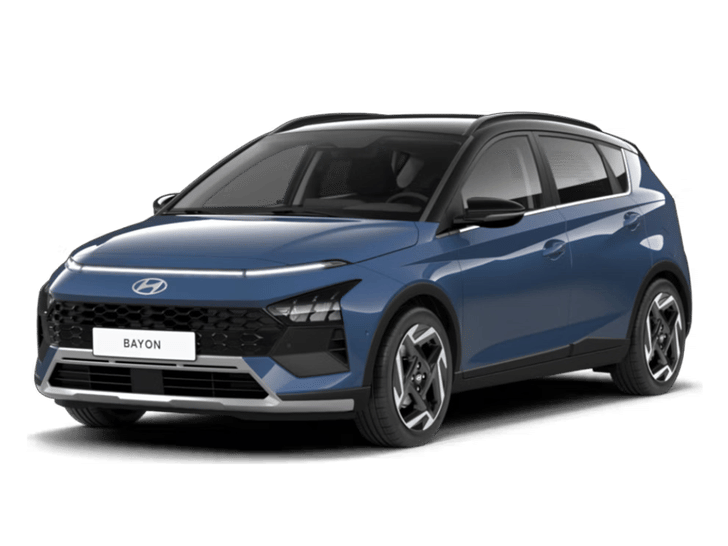
Hyundai
Bayon
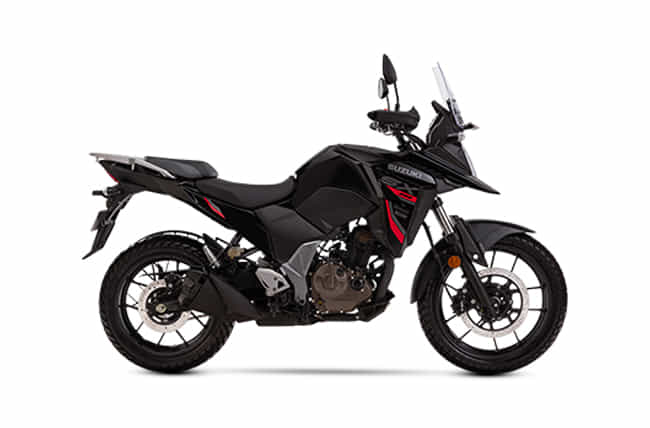
Will there be an update for Suzuki V-Strom SX 250 in 2026?
No, Suzuki is highly unlikely to update the V-Strom SX this year. We are, however, likely to see new-generation models of the 150cc and 250cc Gixxer quartet. Once that is done, the logical next move would be for these updated to be carried forward to the V-Strom SX as well. You could see an updated V-Strom SX in 2027, although the company hasn't officially confirmed this.

Is Bajaj Pulsar 220F a good choice for daily commute of 50km?
In isolation, the Bajaj Pulsar 220F is a proven workhorse with a punchy engine, comfortable rider's traingle position and good highway stability, which makes it well-suited for longer daily runs. It is also relatively affordable to maintain and has a wide service network, which is important for a high-mileage commuter.That said, the 220F is now nearly 2 decades old and has only seen regulatory and minor feature-related updates since. It does not offer the refinement or modern features of newer-generation bikes in the segment. If your commute is mostly highway and you don't mind the old-school feel of the 220F, it can make sense for you. However, if you are looking for a more modern package with better refinement, consider Bajaj's own Pulsar N250, the TVS Apache RTR 200 4V or Honda Hornet 2.0 as similiarly-priced and comparable alternatives. Try to take a test ride of all four before you make your decision to see where your preferences lie.
When will deliveries of the Honda Rebel 300 begin?
Deliveries of the new Honda Rebel 300 (both the standard & E-Clutch variants) are likely to begin by the end of this year or latest in the first quarter of 2027. For a more specific timeline, if you have pre-booked the motorcycle, we'd recommend reaching out to your nearest BigWing dealer.
I am looking for a diesel car priced around Rs 15-16 lakh with good fuel efficiency. I already own a Kia Sonet and a Hyundai Venue. What else should I consider?
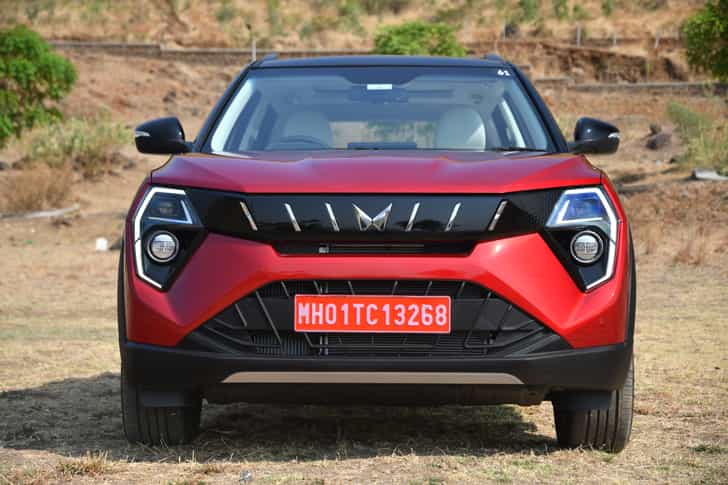
Since you're already using the Sonet and Venue, you could consider the Mahindra XUV 3XO diesel this time around. It offers a strong diesel engine, respectable fuel efficiency, excellent ride comfort, and a more spacious cabin than the Sonet and Venue, making it a good family car.If you don't mind its looks, then the Kia Syros is an excellent car, and it's certainly worth considering. It has the same efficient, refined powertrain as the Venue and Sonet that you're using. Furthermore, cabin space is huge, and overall quality feels top-notch.
I want to upgrade from my Maruti Suzuki Celerio ZXi (O) and have a budget of around Rs 15 lakh on-road. I drive about 2,000km a month. Which car would you recommend?
Since your monthly usage is quite high, you could consider the Maruti Suzuki Victoris VXI CNG, which is available at around Rs 15 lakh on-road. It is a sensible SUV with a smooth and efficient 1.5 engine, light controls, high ground clearance and a reasonably comfortable cabin. The CNG tank is positioned beneath the body, so boot space remains usable. It should feel like a substantial upgrade over your Celerio while keeping you within the Maruti Suzuki range.If you don't want a CNG due to the long queues at the CNG stations, you could consider a diesel option like the Hyundai Venue. It is a user-friendly, feature-rich sub-4-metre SUV with a very efficient and refined 1.5 diesel engine. While you can easily get a diesel-manual variant within your budget, interestingly you could also consider the HX5 diesel-automatic variant, which gets you the convenience of a 6-speed torque converter. A Kia Sonet HTX diesel-automatic with the same (as the Venue) 1.5 engine and automatic gearbox is also available within your budget.
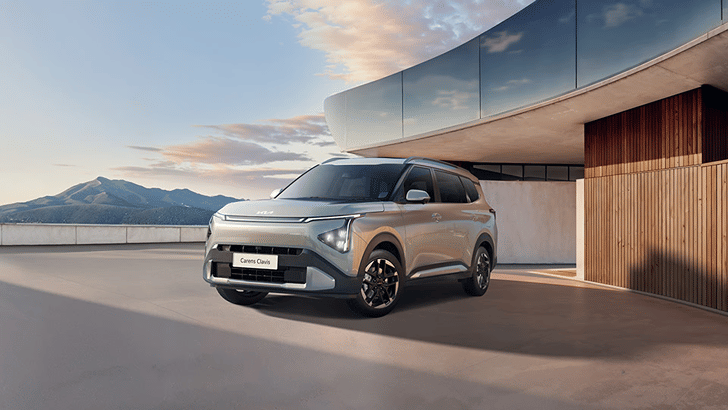
Hi Autocar Team, I am planning to buy a seven-seater car. I have test-driven the Renault Triber Turbo and Citroen Aircross X and was impressed by what both offer at their price points. However, the Aircross put a wide smile on my face. As a current Maruti Suzuki user, I did not consider the Ertiga because it feels similar to our Swift. I liked the Aircross X but am sceptical about Citroen's service network and spare parts availability. However, there are three Citroen showrooms within 45 km of my place. Please suggest which car I should choose. My budget: Rs. 15 lakh Current vehicle: Second-generation Maruti Suzuki Swift petrol (2017) Annual usage: Around 10,000 km, with a 50:30:20 split between town, highway and city driving Requirement: A seven-seater car
The Citroen's interiors feel more special, its engine is more powerful, and its ride-handling balance is outstanding; however, for seven adults, it won't be as comfortable as the Triber.In fact, the Triber's superb packaging makes it genuinely comfortable for passengers in all three rows, despite its compact sub-4-meter dimensions. The new turbo-petrol engine makes it an effortless performer, and its ride quality feels very mature too. Moreover, the Triber Turbo is also much more affordable in comparison, making it outstanding value for money. Yes, the Aircross X will appeal to your heart, but given Citroen's limited service network and cramped third row, the Triber Turbo is the more sensible choice.
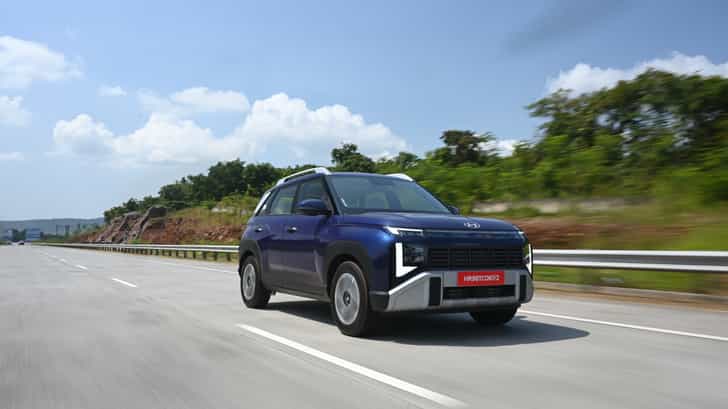
I’ve almost finalised the Hyundai Venue based on its interiors, space, features, and overall looks. However, I’m confused between the 1.0 Turbo MT and 1.2 NA MT. I live in a town where bumper-to-bumper traffic is very rare. We might encounter traffic occasionally when travelling to bigger cities, but we only go on long trips a few times a year. Considering my usage, which engine would be the better choice? 1. What is the real-world mileage difference between the 1.0 Turbo and 1.2 NA? 2. Is the turbo engine significantly more expensive to maintain in the long run? 3. Is the 1.2 NA engine sufficient for a family on highways, especially during overtaking and when driving with a full load? 4. Considering long-term reliability, running costs, and occasional highway trips, is it worth choosing the turbo, or would the 1.2 NA be a more sensible option? I’m really confused between these two variants. Please share your real-world mileage and long-term ownership experience. Your suggestions would really help me make a final decision. Thanks in advance!
Go for the Hyundai Venue 1.0 Turbo MT. Your usage pattern - mostly open roads with only occasional traffic and a few long trips a year - actually plays to the turbo’s strengths. The 1.0 turbo is a genuinely punchy engine with strong mid-range performance, which makes overtaking on highways far easier and more confidence-inspiring, especially with a full load. The 1.2 naturally aspirated engine is smooth and reliable, but it can feel underpowered on highways, particularly when overtaking or climbing with passengers and luggage.In terms of real-world mileage, the difference is not huge. In mixed conditions, you can expect a mileage of 12.80kpl with the 1.2 NA, whereas the 1.0 turbo could deliver around 12.50kpl in similar conditions, so overall fuel costs are broadly similar. Similarly, the difference in their maintenance costs will be marginal, with the turbo being only slightly higher.Long-term reliability is not a concern with either engine. The 1.2 NA is the simpler option, but the 1.0 turbo is a proven unit and well suited to your usage. Given your driving pattern and the occasional highway trips, the 1.0 turbo is the more sensible and enjoyable choice.
Hi Autocar Team, I am planning to buy a seven-seater and am confused between the Toyota Innova Hycross and Hyundai Alcazar. I like almost everything about the Alcazar, but my only concern is the long-term durability of its DCT. As for the Hycross, my budget only allows me to consider the GX variant, which lacks many features. Kindly advise me on which one I should choose. My driving style is simple and non-aggressive. I drive around 8-10 km daily in the NCR region, with occasional family highway trips of up to 500 km. My average monthly running is around 1,200 km.
Go for the Toyota Innova Hycross GX since your usage pattern is simple, with a family focus and the occasional 500km highway trip. The Hycross is the better long-term ownership proposition. It is more spacious, more comfortable and more reliable. The Alcazar is a good car, but the third row is tight, and the DCT is not the ideal gearbox for your usage. The Hycross GX may not have many features, but it gets the fundamentals right. It is a proper seven-seater with a comfortable third row, a smooth petrol engine and Toyota's reputation for reliability. For your usage, that matters more than features. The Alcazar is more feature-rich, but it is ultimately a smaller car with a less comfortable third row.
Hi Autocar Team, I am currently driving a 2014 Honda City diesel and am looking to replace it with an EV. A few options I have in mind are the Mahindra BE 6 Pack One, Tata Sierra Pure 63 kWh, and MG Windsor EV. My budget is under Rs. 20 lakh. I would appreciate your suggestions and recommendations.
The Tata Sierra Pure 63 makes you feel like you've spent your money well thanks to a rich cabin experience. Coming from a Honda City, it'll feel like a proper upgrade as far as space, comfort, performance and ride handling go.The Mahindra BE 6 Pack One is an interesting option from a design and technology perspective. It feels like the sportiest one to drive of the three; however, cabin space feels cramped given its exterior dimensions. The Windsor EV is the most affordable of the lot, and even though it is more compact than the others, due to its excellent packaging, cabin and boot space are better than the others. Do keep in mind, though, that the Windsor's battery is the smallest and its real-world range will be much lower than the others. Also, its DC fast-charging speeds don't match the others. Lastly, its ride comfort isn't as plush as the Tata's either. In summary, the BE 6 is the sportiest to drive, the Windsor is good value, but given its excellent comfort, range and driving manners, the Sierra EV is our pick of the lot.
Hi Autocar Team, I am looking to buy a new automatic car within a budget of Rs. 16 lakh. I have been driving a second-hand manual Hyundai i10 for almost a year now. My usage is mainly within city limits, often in traffic, with occasional highway drives. Could you suggest the best options that offer good value for money and a comfortable driving experience?
Go for the Honda Elevate CVT. Your driving is predominantly city-based with occasional highway runs, and the Elevate will feel like a good upgrade from your i10. The Elevate’s naturally aspirated petrol engine paired with the CVT is smooth, easy to drive in traffic and very reliable. Honda’s ownership experience is strong, and the car is comfortable, practical and well-suited to long-term ownership. The CVT is also one of the smoother automatics in this price range, making daily commutes far less tiring.If you want something more feature-rich and value-focused, the Mahindra XUV 3XO automatic is a strong alternative. It offers more features for the money and is one of the most spacious compact SUVs in the segment, but the Honda is larger and the more hassle-free long-term choice.

I drive Kodiaq L&K (2020 model, diesel). I want to sell it and buy another SUV that may not be a 7-seater. My budget is approximately the same. What are my best options? My annual running is approximately 18,000km.
The Mahindra XUV 7XO Diesel AT is the most sensible recommendation. It delivers strong performance, excellent highway manners and overall, it's a refined, sophisticated drive experience. The diesel engine is well suited to your running, and the car loaded with technology and features.If you're open to EVs, you could consider the BYD Sealion 7 Dynamic variant is a solid option at around Rs 45 lakh (on-road). The XEV 9S or XEV 9E are excellent options around Rs 30-35 lakh.JSW will be launching the Chery Jetour T2 based SUV which will be launched in India as JSW Motors Combat based SUV in December. It will be a 5-seater, front-wheel drive plug-in hybrid SUV that's rugged, refined, spacious and is likely to be well-equipped too. If you aren't in a hurry, we'd recommend waiting for this one.Other petrol-powered SUVs in that price range include the Tayron and Kodiaq. But given your 18,000km annual usage, fuel bills will be high by opting for these.
I am considering buying a new car to replace my Ford EcoSport diesel. Since 70% of my driving is in the city, I am looking for an automatic transmission. However, I also want a powerful engine. Could you please recommend suitable mid-size SUVs within a budget of Rs. 15 lakh?
Since you're looking for a mid-size SUV with a powerful engine and automatic transmission, the Skoda Kushaq 1.0 TSI AT Classic Plus seems to be the right fit. The 1.0 TSI turbo petrol engine is adequately punchy and responsive, making it well-suited to city and highway driving. The new 8-speed torque converter automatic is smooth and seamless, and the Kushaq offers a good balance of ride comfort and handling, making it an enjoyable car to drive. Additionally, the 2026 version gets an upgraded air-con, making it a good buy.If you're open to a sub-4-meter body style, you could consider the Mahindra XUV 3XO and Skoda Kylaq too. Both of these are very competent cars you can replace your outgoing EcoSport with, and compared to the Kushaq, you are likely to get more features too. However, boot space and rear legroom will not be as generous as the Kushaq.
Hi, I am Shailesh. I am a first time owner and comfortable with a budget of Rs. 10.50 lakh (on-road). I have compared it across segments like Dzire VXi AGS, Honda Amaze V CVT, Skoda Kylaq Classic Plus Automatic and Fronx Delta Plus AGS. I want to buy it for my 65 year old mother as well as for my daily commute to office in Pune traffic. I prefer an automatic and safe car with highly comfortable back seat, but the variants should have most of the essential features such as seat height adjustment, rear AC vents. The car should be low maintenance and offer hassle free service experience. I want a car that delivers decent mileage and no sunroof would be great. I would like to keep the car for the next 5 to 7 years without any issues (possibly for 10 years). I want it to be compliant with future ethanol blends such as E25 or E27 and that is why Brezza NA VXi TC came into my mind and it is available for Rs. 12.50 lakh. My monthly running would be around 600 to 800km. Which car makes sense for me considering my driving would include 72% running in the city and 28% on highway. I am planning to get Brezza VXi NA Manual at Rs. 10.50 lakh but I would like your opinion.
Given your requirements, the Maruti Suzuki Dzire VXI AGS comes across as your best option. It is a proven product that is spacious, easy-to-drive and very comfortable car, and it's backed by Maruti's strong support network. Thanks to its three-cylinder petrol engine, fuel efficiency will also be better than all other options listed. Sure, its 5-speed AMT is not feel as seamless and smooth as that of the Amaze or Kylaq, which offer more sophisticated automatic transmissions, however going by AMT standards, it is still reasonably jerk-free. Furthermore, the VXI AGS variant has a driver's seat height adjustment and rear AC vents, which you're looking for; ride comfort is terrific and its back seat is spacious and more comfortable than most options listed.The Brezza 1.5 AT has a more sophisticated powertrain compared to the Dzire, but it is also more expensive. Hence as far as value goes, the Dzire VXI AGS is better and seems like the more sensible choice.
Need expert advice?
Ask the Autocar community and experts.